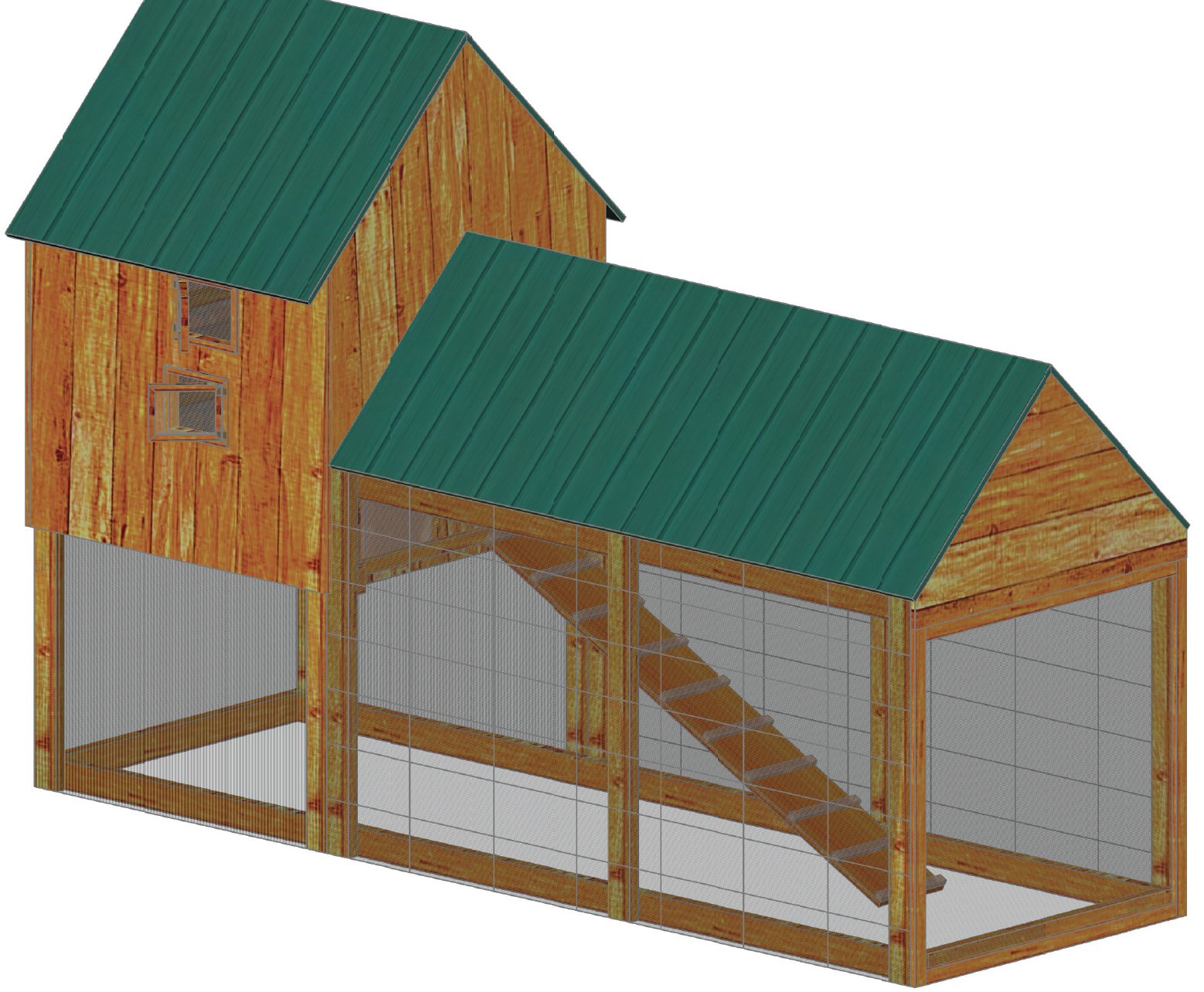
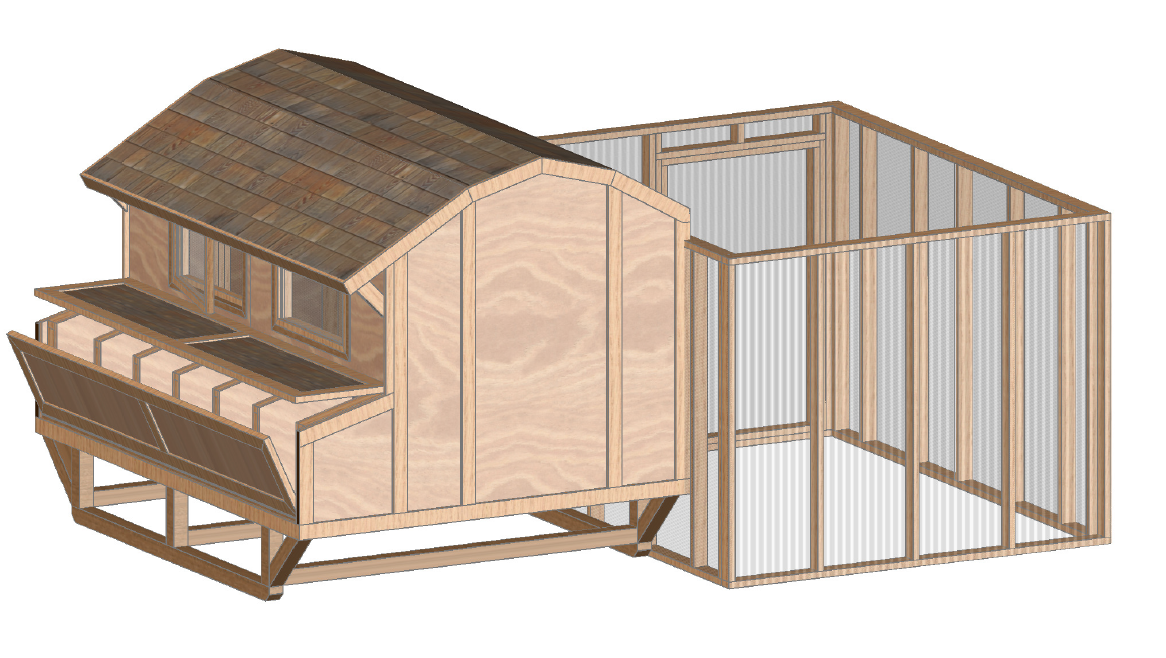
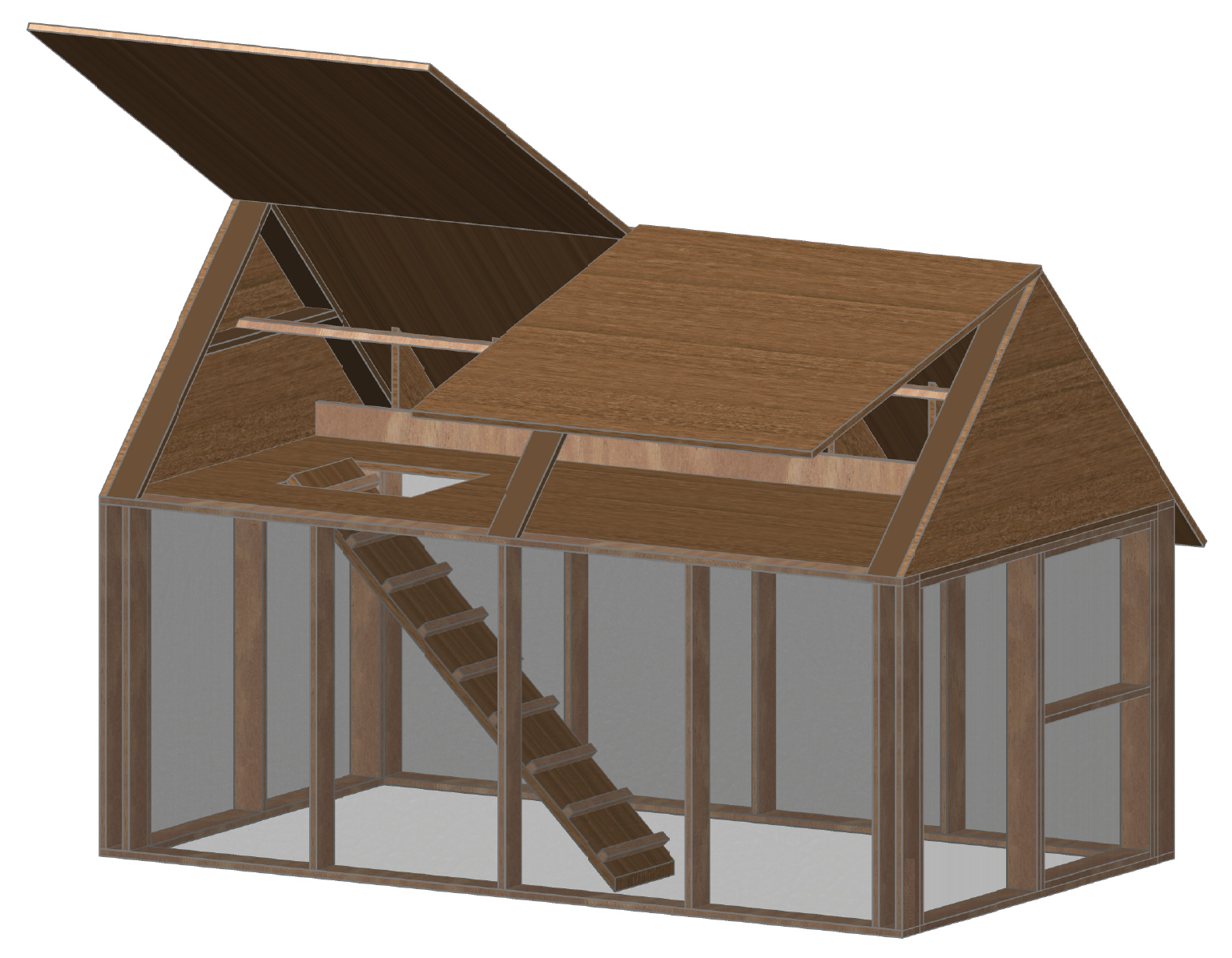
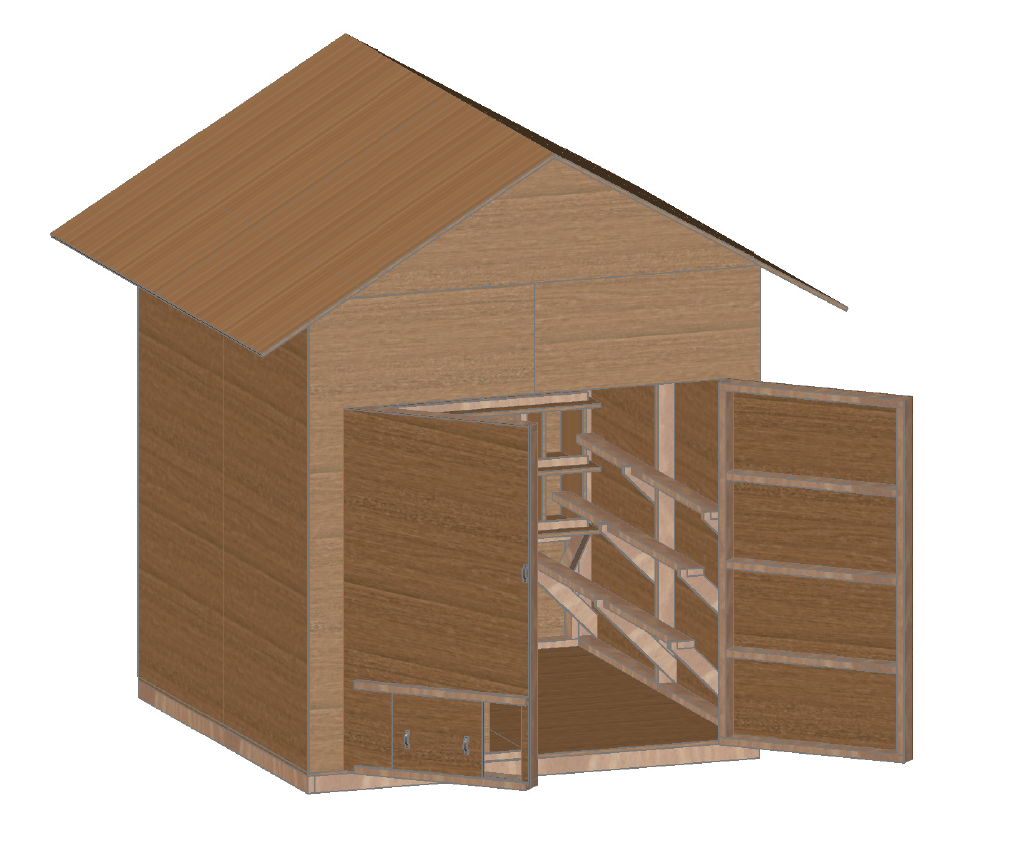
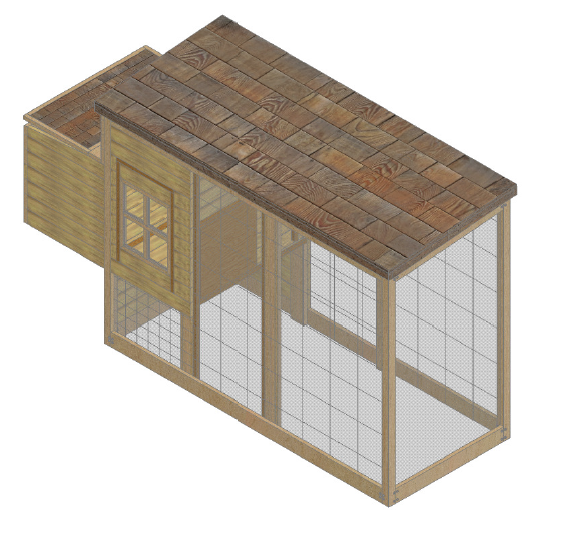
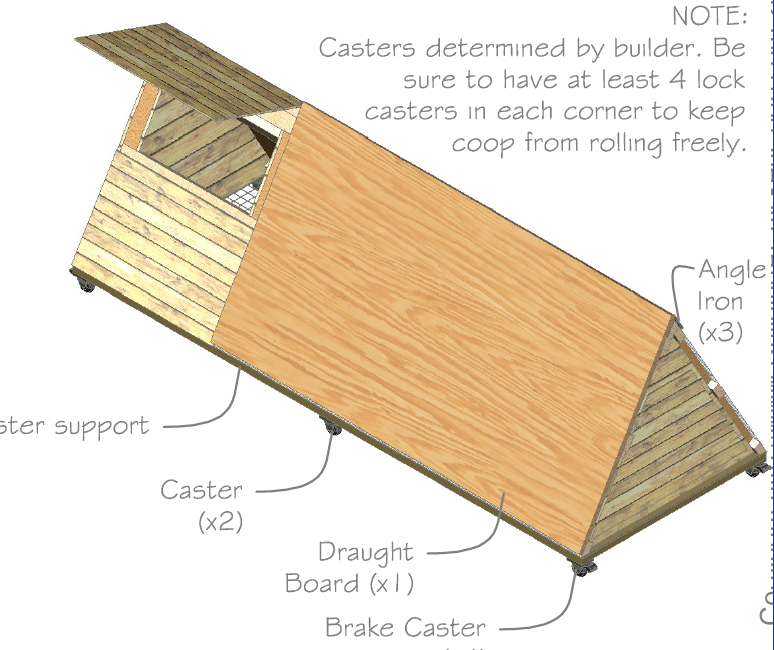
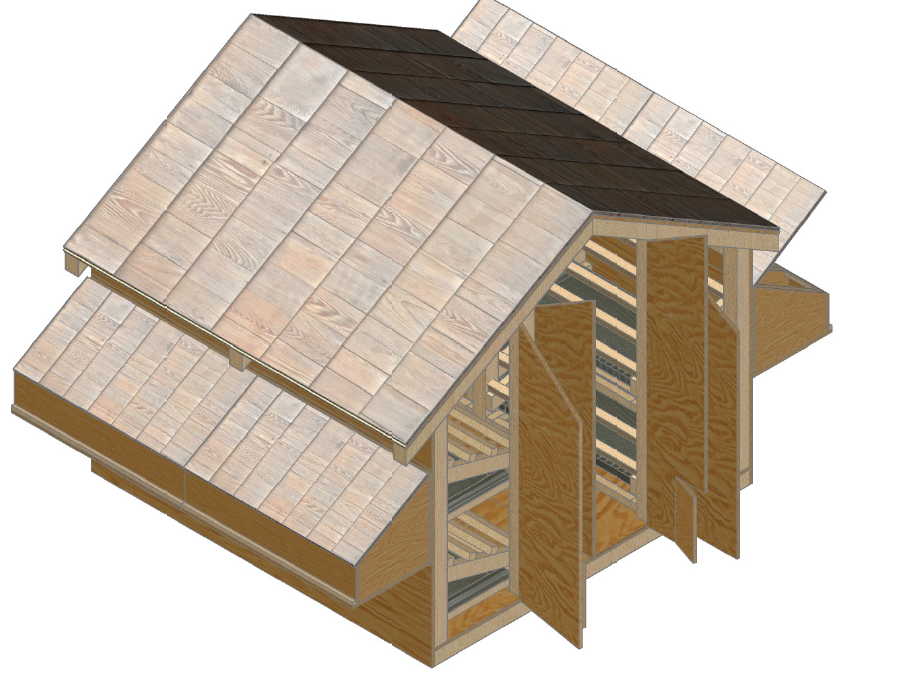
Building a coop could seem sort of a daunting task initially . But, if you’ve got some basic woodworking skills and tons of patience, you’ll build an excellent coop which will house your hens comfortably for years to return . Review a couple of tips before you start .
Get Build a Chicken Coops Plan
1. Take Your Time and Think It Out

Do not rush through the development of your coop. confirm you’ve got solid plans, sketches, and have considered all the variables involved during a coop — cost, size, portability, and ongoing maintenance. Consider the functionality of your coop. The doors must be open inwards and not outwards; otherwise, your birds might find their answer . believe ventilation, perhaps add some sliding windows for those hot summer days. most significantly , find out the utmost number of birds you propose to deal with during this coop.
2. Size Your Chicken Coop Properly
You may plan on allowing your chicken to free-range, but are you ready to bet the farm that you simply will allow them to roll in the hay all the time? Chickens are healthier and happier once they have more room to roost comfortably. Cramped coops bring aggressive birds pecking at one another and disease spreading faster.

If your birds have access to an outside run, provides a minimum of two to three square feet per bird inside the coop and about 4 square feet per bird within the run. the larger , the higher . If your birds are cooped all winter (chickens do not like snowy surfaces), leave 5 to 10 square feet per chicken. For birds confined during a chicken tractor without an outside pen, confirm you’ve got a minimum of 5 square feet per bird.
3. Provide Ample Roosting Space
Chickens like to roost or perch on woodpiles, the tops of their waterers or feeders, and even the roof of the coop. they like to roost off the bottom to discourage ground parasites. And, they are doing not like sitting in their droppings.

Provide roosting poles that are a minimum of 2 to three feet off the bottom (they don’t wish to be too low). Plan for a minimum of 6 to 10 inches of roosting space per chicken. If the roosting poles are quite 4 feet high, they’re going to need how to urge up to them, like by a plank with wooden strips for makeshift steps.
4. Use Predator-Proof Hardware

Because chickens are easy prey for nocturnal critters, like raccoons, opossum, and foxes, select metal latches for your coop that cannot be flicked open by a paw, and always lock up your flock in the dark . Here, a barrel-bolt latch safeguards the hens.
5. Save Money With Recycled Materials

You can economize on the value of your coop by upcycling or taking used materials and making something great out of them. Using recycled materials is terrific but to some extent . you are doing not want to use worn, rotting wood or low-quality materials which will find yourself wearing out quickly. Sometimes the irregularities of a scavenged window could also be too hard to figure around. If you are a beginner, this will add up to tons of frustration quickly, and therefore the item won’t be well worth the time. Be willing to scrap the thought if it’s.
6. Feather The Nest
No coop is complete without nesting boxes and roosting perches. Inside this coop, sturdy wicker baskets padded with straw function cozy places for hens to get their eggs, while a wood closet rod acts as a perch for sleeping. Colorful paintings persisted the wall make egg collecting that far more fun.
7. Make It Easy to Clean and Maintain
If you’ve got a hard and fast coop, remember that you simply will need to muck it out several times a year. you’ll got to include a full-sized door within the plans to permit for a person’s to enter easily and clean it out. If you employ the deep litter method for the ground of the coop, you’ll eventually have compost for your garden.